Axolotl Care Sheet
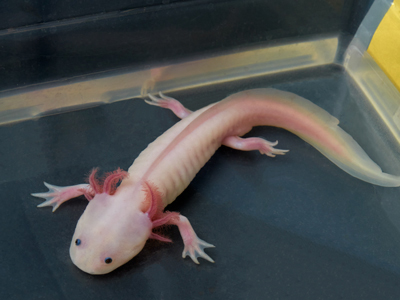
Origin:
The axolotl (Ambystoma mexicanum) is a neotenic salamander native to lakes and canals around Mexico City, particularly Lake Xochimilco. They remain aquatic throughout their lives.
Description:
Axolotls are aquatic amphibians with external gills, wide heads, and a flattened body. Adults typically grow 9–12 inches long. They are known for their regenerative abilities, capable of regrowing limbs, spinal cord, and even parts of their heart and brain. Lifespan in captivity is usually 10–15 years.
Temperament:
Axolotls are generally calm, slow-moving, and solitary animals. They do not require handling and can be stressed by frequent interaction.
Feeding:
- Diet: Carnivorous; feed bloodworms, earthworms, brine shrimp, or high-quality sinking pellets designed for amphibians.
- Feeding frequency: Juveniles daily; adults every 2–3 days.
- Supplements: Occasionally provide calcium supplements for skeletal health.
- Water: Freshwater aquarium; maintain clean, dechlorinated water.
- Notes: Do not overfeed; uneaten food should be removed to prevent water quality issues.
Housing:
- Enclosure: Aquarium with secure lid; minimal decorations to prevent injury.
- Size: Minimum 20 gallons for one axolotl; 10 gallons additional per extra animal.
- Substrate: Fine sand or bare-bottom recommended; gravel can cause impaction if ingested.
- Temperature: 60–68°F (16–20°C); avoid temperatures above 75°F (24°C).
- Filtration: Gentle filtration preferred; strong currents can stress the axolotl.
- Hides & decor: Provide hiding spots such as PVC pipes, ceramic pots, or aquarium-safe caves.
Handling:
Handling should be minimized. Axolotls have delicate skin and can be injured easily. If necessary, handle with wet hands or use a soft net.
Health:
Common health issues include:
- Skin infections (fungal or bacterial)
- Impaction from ingesting substrate
- Stress from poor water quality or high temperatures
- Gill damage due to rough handling or poor water conditions
Regular water changes and monitoring of water parameters (pH, ammonia, nitrite, nitrate) are critical. Consult an aquatic or amphibian veterinarian for serious health concerns.
Grooming:
Axolotls require no grooming. Maintain clean water and remove uneaten food. Trim or monitor overgrown nails in captivity if needed.
Fun Facts:
- Axolotls retain juvenile features throughout their life, a phenomenon called neoteny.
- They can regenerate entire limbs, spinal cord segments, and parts of their heart.
- They are critically endangered in the wild due to habitat loss and pollution.
- They have the ability to absorb oxygen through both their gills and skin.
Compliments of:
S & S Exotic Animals, Inc.
1711 Connorvale Rd., Houston, TX 77039
(281) 590-0426
www.sandsexoticanimals.com