Bearded Dragon Care Sheet
Origin:
Bearded dragons (Pogona vitticeps) are native to arid and semi-arid regions of Australia. They inhabit deserts, scrublands, and savannas, often basking on rocks or logs to regulate their body temperature.
Description:
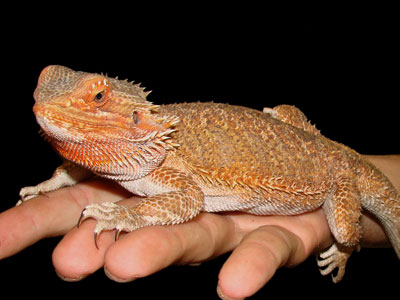
Bearded dragons are medium-sized lizards with a broad, triangular head and spiny “beard” under their throat. Adults typically reach 16–24 inches in length and weigh 300–500 grams. Lifespan in captivity is 8–12 years with proper care. They are diurnal and highly interactive reptiles.
Temperament:
Bearded dragons are calm, curious, and generally tolerate handling well, making them excellent pets for beginners. They communicate by changing color, puffing their beard, or performing arm-waving gestures.
Feeding:
- Staple diet: High-quality commercial bearded dragon pellets.
- Vegetables: Dark leafy greens (collard, mustard, dandelion) daily.
- Fruits: Small amounts occasionally (berries, apples, melon).
- Protein: Live insects (crickets, dubia roaches, mealworms) 2–3 times per week for adults, daily for juveniles.
- Supplements: Calcium and vitamin D3 powder 2–3 times per week for adults, daily for juveniles.
- Water: Fresh water available in a shallow dish; misting is optional.
Avoid iceberg lettuce, spinach, and citrus fruits.
Housing:
- Enclosure: Glass or PVC terrarium with secure lid; screen top for ventilation.
- Size: Minimum 40-gallon tank for one adult; larger is better.
- Substrate: Reptile carpet, paper towels, or tile; avoid loose sand or wood chips for juveniles due to impaction risk.
- Lighting: Full-spectrum UVB light 10–12 hours/day and basking light 12–14 hours/day.
- Temperature: Basking area 95–105°F, cool side 75–85°F, nighttime 65–75°F.
- Hiding and climbing: Provide branches, rocks, and hides for enrichment.
Handling:
Bearded dragons are generally docile. Support the body fully with both hands and approach slowly. Young dragons may be more skittish. Regular gentle handling encourages trust and reduces stress.
Health:
Common health issues include:
- Metabolic bone disease from calcium or UVB deficiency
- Impaction from ingesting substrate or large food
- Respiratory infections from high humidity or poor ventilation
- Parasites such as mites or internal worms
Regular checkups with a reptile veterinarian are recommended. Monitor for lethargy, lack of appetite, or swelling.
Grooming:
Bearded dragons require little grooming. They shed their skin regularly; provide rough surfaces for rubbing off old skin. Occasional baths may help with hydration and shedding.
Fun Facts:
- Bearded dragons puff out their throat “beard” to appear larger or communicate stress.
- They can perform a slow-arm wave as a social signal to other dragons.
- They are omnivorous, eating both insects and plants in the wild.
- Bearded dragons can recognize their owners and may respond to interaction.
Compliments of:
S & S Exotic Animals, Inc.
1711 Connorvale Rd., Houston, TX 77039
(281) 590-0426
www.sandsexoticanimals.com